Glasses that slide down the nose are distracting and can move the lenses away from their intended position. Slipping may come from skin oils, loose hardware, an unsuitable bridge, a frame that is too wide, incorrect temple adjustment or the weight of the lenses. The right solution begins with identifying the cause.
Start with cleaning
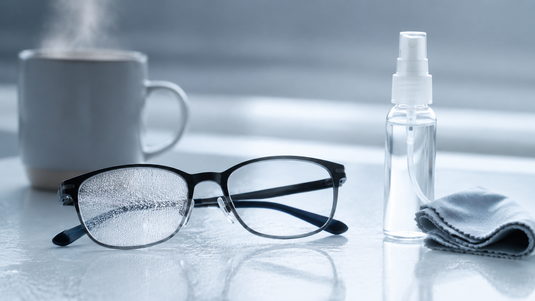
Oil on the bridge, nose pads and temple tips reduces grip. Clean the glasses using the lens and frame-care instructions supplied with them, and wash the skin gently. Avoid applying sticky household products to the frame or nose; they can irritate skin and damage materials.
Check for loose or worn parts
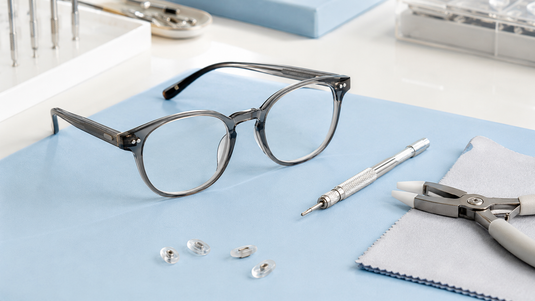
Inspect nose pads, screws and hinges. A missing pad, loose screw or stretched temple can make a previously comfortable frame slide. Do not keep tightening a screw that repeatedly works loose, and do not use glue near lenses or hinges. An optician can replace small components and check alignment.
Consider the bridge design
A moulded bridge must match the wearer closely because it has limited adjustment. Adjustable nose pads can change how the frame rests and may improve stability, but pad arms are delicate and should be aligned professionally. A frame can have the “correct” printed bridge number yet still slip because bridge shape differs.
Check frame width and temples
A frame that is too wide may move side to side and slide forward. Temples that do not curve appropriately behind the ears can also reduce stability. Heating and bending at home is risky because different metals and plastics require specific temperatures and tools. Ask an optician to assess width, temple bow and pantoscopic tilt.
Temporary accessories
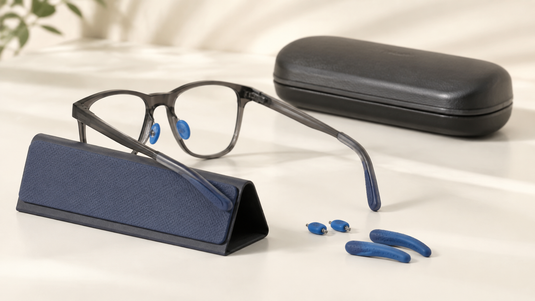
Silicone nose-pad covers, adhesive pads or temple grips may help when they are designed for the specific frame and used according to instructions. They should not obstruct vision, create pressure or cover damaged parts. Replace accessories when they become dirty, loose or degraded.
Lens and frame weight
Large lenses, strong prescriptions and heavy materials can pull a frame forward. A smaller or lighter frame may improve comfort. Frame selection also affects lens thickness and weight, so discuss options before ordering a replacement.
Quick troubleshooting checklist
- Clean the bridge and temple tips.
- Check pads, screws and hinges.
- Confirm the frame is not too wide.
- Look for uneven temples or a twisted front.
- Use only frame-compatible accessories.
- Arrange a professional adjustment when slipping persists.
Frequently asked questions
Can I bend the arms inward myself?
It is safer to have an optician do this. Incorrect bending can break the frame or make it sit unevenly.
Do clear plastic frames slip more?
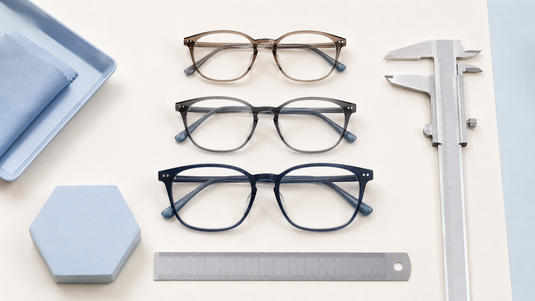
Slipping depends on bridge design, size, surface condition and adjustment—not colour. Browse clear glasses by measurements as well as appearance.
Should glasses leave marks on the nose?
Light temporary impressions can occur, but pain, deep marks or persistent redness suggest pressure or poor fit and should be assessed.
This article provides general eyewear-care information. Follow the instructions supplied with your lenses and consult an optician when fit, damage or vision is uncertain.